Small Animal Emergencies

When should I seek emergency veterinary advice for my small pet?

Small animals such as rabbits, guinea pigs, hamsters, rats, and other small mammals can become seriously unwell very quickly. Unlike dogs and cats, small pets often hide signs of illness, meaning changes in their behaviour, appetite, movement, or toileting habits should always be taken seriously.

If you notice that your small pet is unwell or you are concerned about their health, contact your primary care veterinary practice for advice. If your usual practice is closed or your pet requires urgent attention, contact our Emergency Vet Team for out-of-hours emergency veterinary advice and treatment as soon as possible.

Early veterinary care can make a significant difference, particularly for small animals, as some conditions can deteriorate rapidly if left untreated.
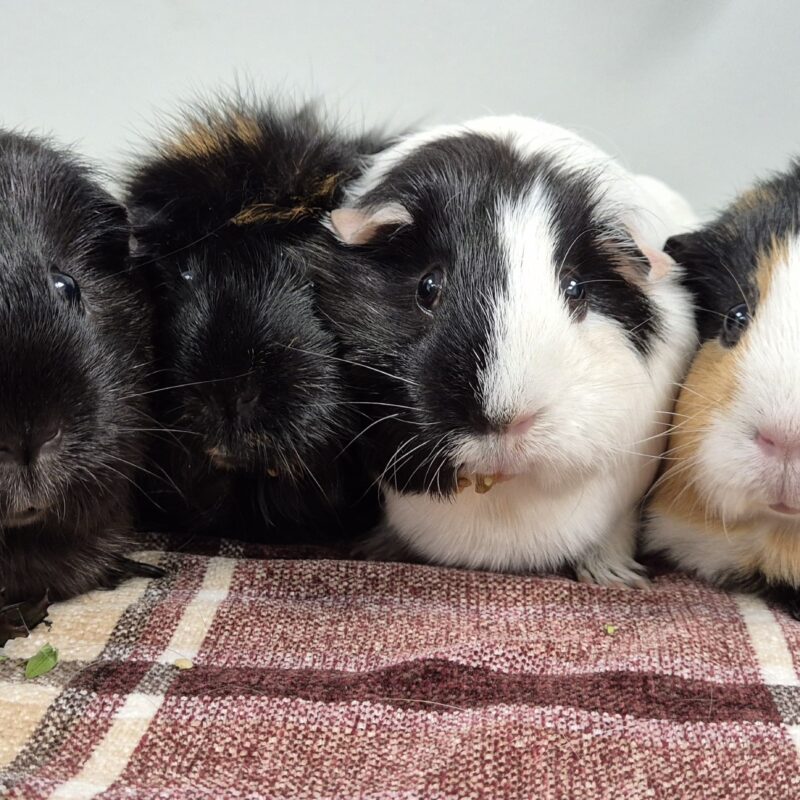
Signs your small pet may need urgent veterinary attention include:

Not eating or reduced appetite

A small animal that stops eating can become seriously ill very quickly.

  • Rabbits and guinea pigs, in particular, should receive urgent veterinary attention if they stop eating or producing droppings.
  • A reduced appetite, eating less than normal, or changes in food intake should never be ignored.
  • Do not wait to see if your pet improves on their own, especially if they are also quieter, less active, or showing signs of discomfort.

Difficulty breathing

Breathing problems in small animals require urgent veterinary advice.

Signs may include:

  • Fast or laboured breathing
  • Noisy breathing or wheezing
  • Discharge from the nose
  • Stretching the neck to breathe
  • Sitting unusually still or appearing distressed

Keep your pet calm and avoid unnecessary handling while arranging veterinary advice.

Lethargy or unusual behaviour

Small animals often hide signs of illness, so changes in normal behaviour can be an important warning sign.

Seek small animal veterinary advice if your pet:

  • Becomes unusually quiet or withdrawn
  • Stops interacting with you or their environment
  • Is reluctant to move
  • Appears weak or unresponsive

Diarrhoea or changes in droppings

Changes in toileting can indicate a serious health problem.

Contact your veterinary team if your small pet has:

  • Diarrhoea
  • A significant reduction in droppings
  • No droppings being produced
  • Abnormal-looking droppings
  • Signs of discomfort when toileting

Difficulty moving or signs of injury

Seek urgent small animal emergency veterinary advice if your pet:

  • Cannot move normally
  • Is unable to stand or walk properly
  • Has fallen or suffered an injury
  • Is showing signs of pain
  • Has difficulty using a limb

Handle your pet carefully and avoid unnecessary movement if an injury is suspected.

Important advice for rabbits and guinea pigs

Rabbits and guinea pigs have sensitive digestive systems, and not eating can quickly become a serious emergency.

If your rabbit or guinea pig stops eating, produces fewer droppings, or appears uncomfortable, contact your veterinary team promptly. Conditions affecting the digestive system can worsen quickly and may require urgent veterinary treatment.

Arriving at our emergency vet service

When you arrive, our Emergency Vet Team will assess your pet and provide the appropriate emergency veterinary care. Please follow any instructions from our team and let us know immediately if your pet’s condition changes during your journey.

We are here to support you and your pet when you need us most. 

What should I do while waiting for emergency veterinary advice?

  • Keep your small pet warm, quiet, and comfortable.
  • Place them in a secure carrier or suitable enclosure for transport.
  • Avoid sudden changes in temperature or unnecessary handling.
  • Do not give human medications unless specifically advised by a veterinary professional.
  • Bring details of their usual diet, any medications, and any changes you have noticed.
  • If possible, bring a sample or photograph of unusual droppings, food, or anything your pet may have eaten.

Our Emergency Vet Team provides small animal emergency veterinary advice, urgent treatment, and compassionate care when your small pet needs it most.